
A sorting line is bought once and maintained for years. The parts that wear are usually a small and predictable group, and planning for them costs far less than reacting to a stoppage in a peak week.
Which parts wear first on a sorter?
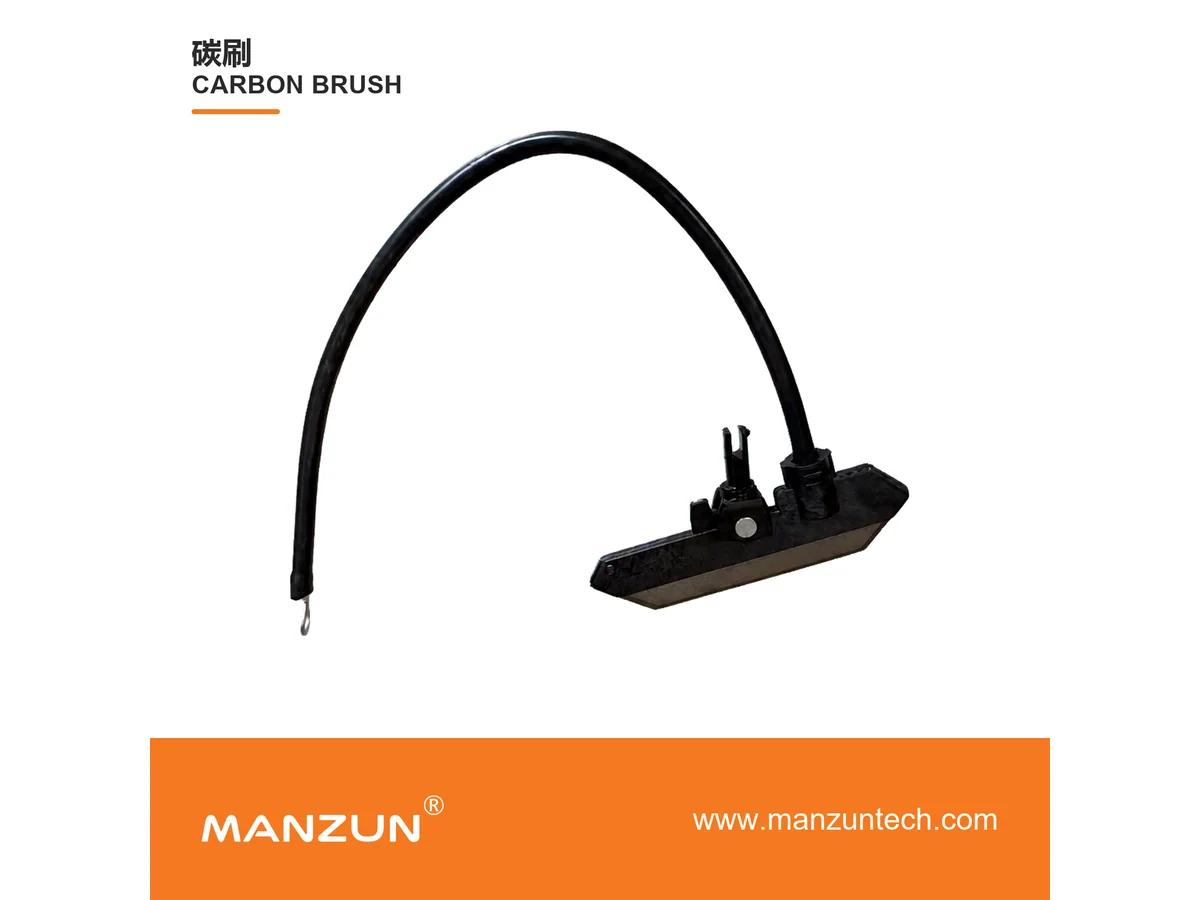
Moving contacts wear first. On a cross-belt line the carbon brush and the current collector arm carry power to the moving carts, so the brush shortens and the collector arm loses pressure or alignment. Running and guide wheels carry the cart load along the track and lose tolerance as they wear.
Carrier surfaces and links come next. Narrow-belt link plates, belts and side plates are in contact with parcels and with each other. Drive-side parts such as motorised rollers, drive boxes and connectors fail less often, but they stop the line when they do.
How should inspection intervals be set?
Set intervals from running hours and from what the inspection actually measures, not from the calendar alone. A line running two shifts wears roughly twice as fast as one running a single shift, so a fixed monthly check can be too late on one site and unnecessary on another.
Start with a short visual round at each shift change: brush length, collector arm pressure, wheel condition, belt tracking and unusual noise. Add measured checks at longer intervals, recorded against the position of each part, so a trend is visible before a failure.
When should a wear part be replaced?
Replace when a measurement reaches the limit agreed with the supplier, not when the line stops. The limit belongs in the maintenance plan together with the method: brush length in millimetres, wheel diameter, belt tension and plate flatness. Without a recorded measurement, replacement becomes a judgement that varies by technician.
Keep a short record for each position: date, running hours, measured value and part identity. After a few months it shows which positions wear faster, and that is the evidence needed to change an interval.
How many spare parts should be kept on site?
Rank parts with two questions: how quickly the line stops if the part fails, and how long a replacement takes to arrive. A low-cost contact part that stops the whole line belongs in stock even if it is rarely used; an expensive module that can be bypassed may not.
Model and revision matter as much as quantity. Carts from different production batches can use different brushes or wheels. Record the equipment model and the drawing or part number for every item, so a replacement arrives in the right specification.
What changes before a peak season?
Before a peak, inspect the fastest-wearing positions and replace anything close to its limit instead of waiting for the next scheduled window. Confirm spare stock against the peak period, and agree who is called when an alarm appears at night or on a holiday.
Review what the line can run without, too. Some functions can be reduced temporarily, such as an extra destination or a second induction station, while the core flow continues. That decision is easier to make before the peak than during it.
How do you order the right replacement part?
Send the equipment model, the position on the line, the drawing or part number and the quantity. For contact parts, add the measured value and a photograph of the worn item. For electrical parts, add supply and interface details. A part that looks similar can differ in material or tolerance.
Maintenance also depends on what was handed over. A project that includes spare part lists, wear limits, maintenance access and operator training leaves the site with a plan; a line handed over without those documents costs more to run, even at a lower equipment price.
Where does maintenance planning start?
It starts at purchase. Ask for the wear part list, the inspection points and the access routes during the technical review, and check that they match the layout being offered. A drawing that leaves no space to reach a wear part turns a ten-minute check into a production stoppage.
The routine itself is short: know which parts wear, measure them on a schedule, keep the parts that stop the line, and record what was replaced. None of that requires new equipment, and all of it protects the peak weeks.
Frequently asked questions
How often should carbon brushes on a sorter be replaced?
Replacement is set by the measured brush length against the limit agreed with the supplier, not by a fixed calendar. Because wear follows running hours, a two-shift line needs shorter intervals than a single-shift line.
Which spare parts should a sorting line keep in stock?
Rank parts by how fast a failure stops the line and how long delivery takes. Low-cost contact parts that stop the whole line are usually worth stocking even when they are rarely used.
Can maintenance be scheduled around a peak season?
Yes. Replace parts close to their wear limit before the peak, confirm stock for the peak period, and agree who is on call for alarms outside working hours.
What information is needed to order a replacement part?
The equipment model, the position on the line, the drawing or part number, the quantity, and for contact parts the measured value and a photograph of the worn item.
Published on 2026-11-05. Product information reflects the publication date; contact us for current specifications and availability.