
A sorting cart carries a parcel through the sorter; a motorized roller can drive its short belt for controlled discharge. The two parts have to be specified together. The cart structure, parcel load, belt, roller and electrical control determine whether a package remains stable in travel and leaves at the assigned destination.
What should be confirmed for the sorting cart?
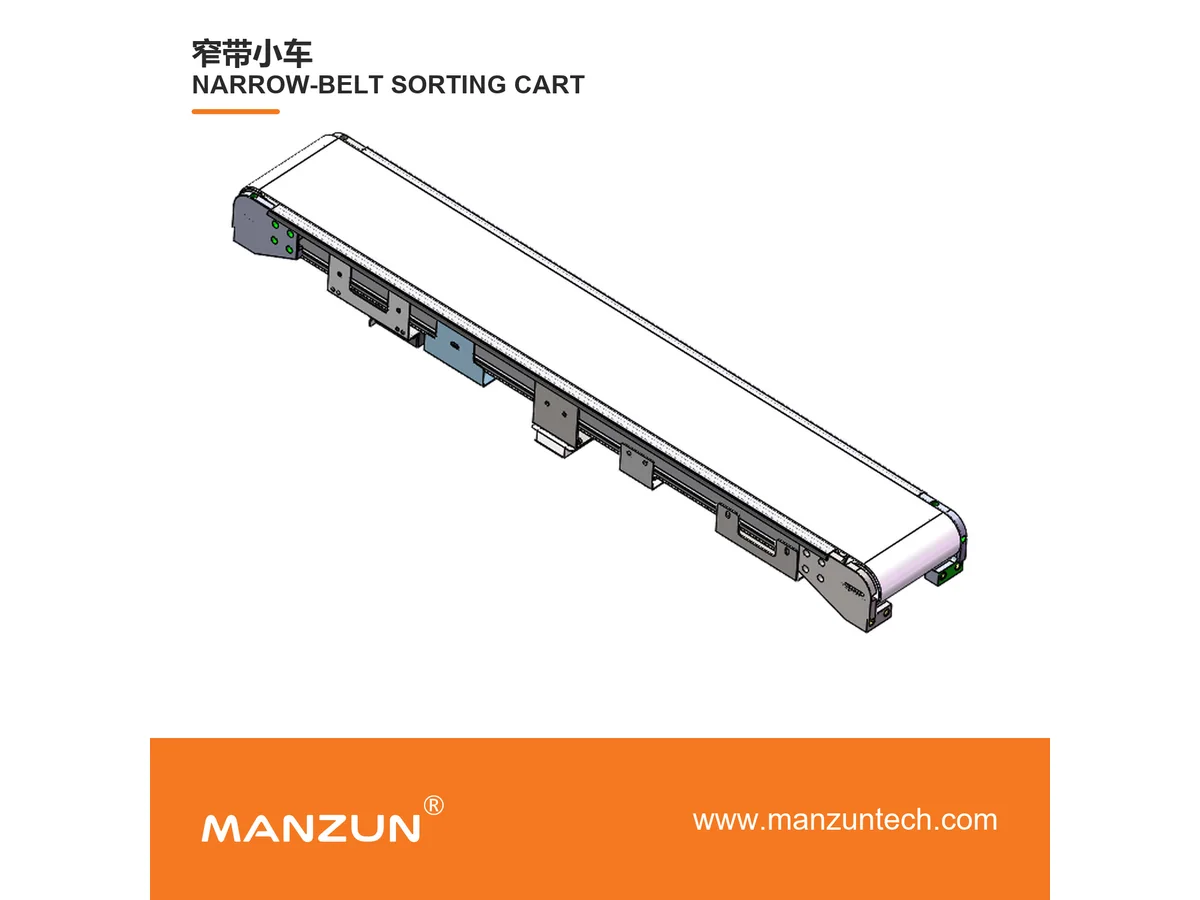
Choose the carrying surface from parcel length, width, weight and centre of gravity. For some larger parcels, more than one narrow-belt cart may support an item, but that needs a defined control and tracking arrangement. Cart pitch, frame, travel wheels and guidance also have to suit the sorter path and maintenance method.
We distinguish a narrow-belt cart, a linear sorting cart and a loop cart by their place in the system. A component photo or a pitch number alone does not establish interchangeability. Mounting dimensions and interfaces must match the actual assembly.
Which motorized-roller details affect discharge?
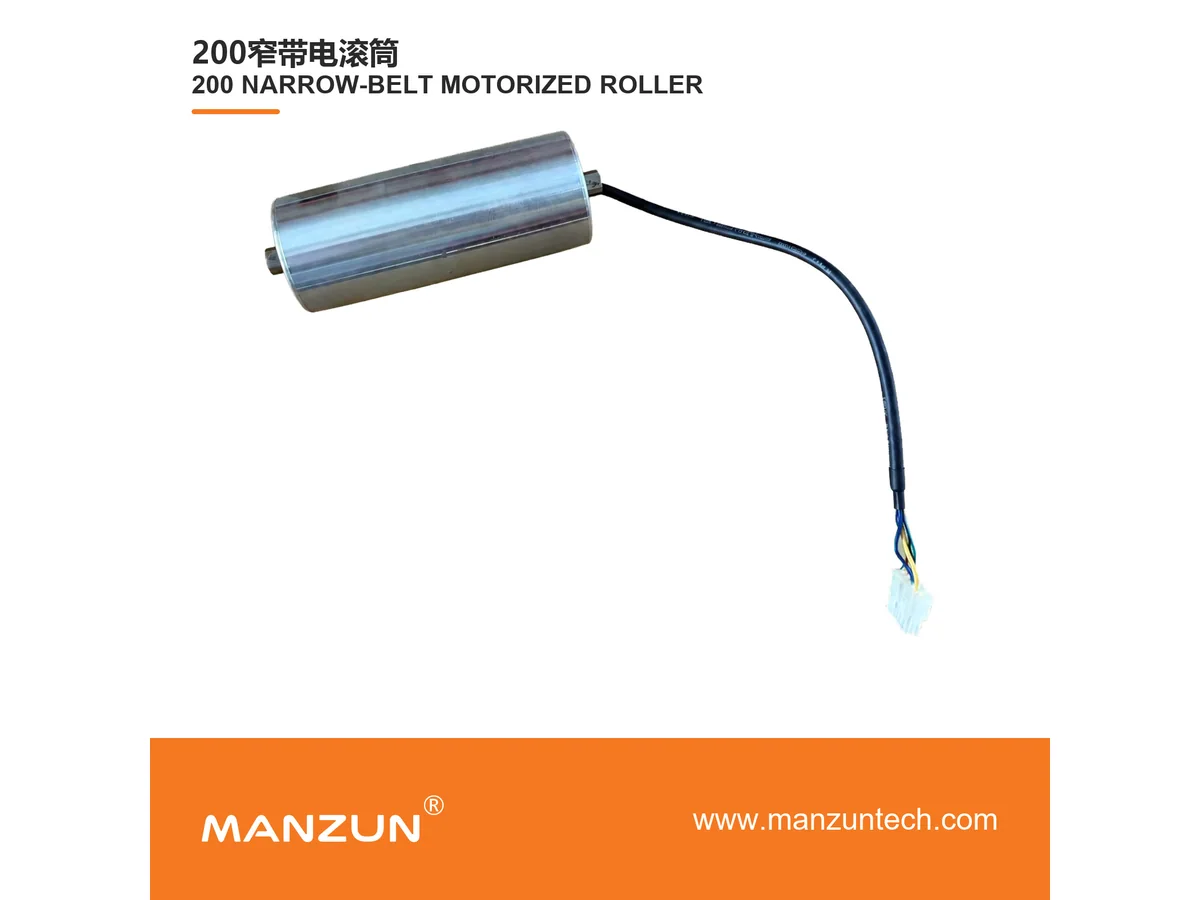
The roller must match the belt width, required torque, power supply, speed range, shaft ends and controller. The idler roller and belt tension also influence tracking. We offer direct-drive rollers, narrow-belt rollers and other drive components, but a product-family parameter cannot automatically be assigned to every model.
During selection, confirm the specific model drawing and electrical data. Catalogue examples list different diameters, voltage options and power levels across roller families. The final combination depends on the carrier design and parcel tests, especially for frequent starts and sideways discharge.
How are controls and maintenance planned?
A parcel ID is linked to a carrier, and the control system commands belt discharge at the selected chute. Power collection or onboard supply, communication, sensors and fault handling must fit the selected architecture. We also leave access for roller replacement, belt adjustment and inspection of running or guide wheels.
Send us the cart model or assembly drawing, parcel samples and target operating flow when replacing a component or designing a new line. That prevents a roller with plausible dimensions but the wrong shaft, wiring or control behaviour from entering the build.
Published on 2026-09-23. Product information reflects the publication date; contact us for current specifications and availability.