
An automated sorting system should be selected from the operation’s parcel flow, not from a headline speed alone. Begin with package dimensions, weight, packaging materials and the share of irregular or fragile items.
Next, calculate sustained peak-hour demand and dispatch windows. Daily averages can hide short periods when feeding stations, scanning and destination collection become bottlenecks.
The building plan sets the practical limits for a line. Check available floor area, clear height, structural loads, operator access, maintenance routes and room for future destinations.
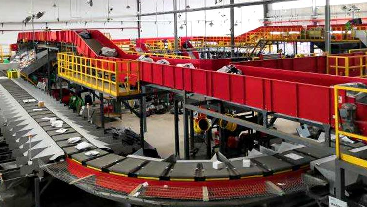
Compare sorter types against these conditions. Cross-belt, narrow-belt, flap, compact-loop and other systems use different carriers and discharge methods, so sample testing helps identify the best fit.
Define the control interfaces before equipment selection: order and route data, parcel identification, exception handling, reporting and connections to upstream and downstream conveyors.
We can review your parcel data and site plan to develop a project-specific equipment proposal. Capacity, staffing and cost estimates should be calculated for the actual configuration.
Published on 2025-10-10. Product information reflects the publication date; contact us for current specifications and availability.